Note: Page 65 is blank.

The Guangzhou Intellectual Property Court ruled seven defendants liable for "virtual digital human" trade secret infring...

The Supreme People's Court ruled that patentees with valid patents and positive evaluation reports fulfill duty of care,...
Recently, the Hangzhou Intermediate People's Court of Zhejiang Province concluded the first-instance trial of a case involving trademark infringement and unfair competition in the modification of second-hand luxury goods, and the judgment has taken effect. This case clarifies the boundaries of "trademark infringement" in the modification of second-hand luxury goods.
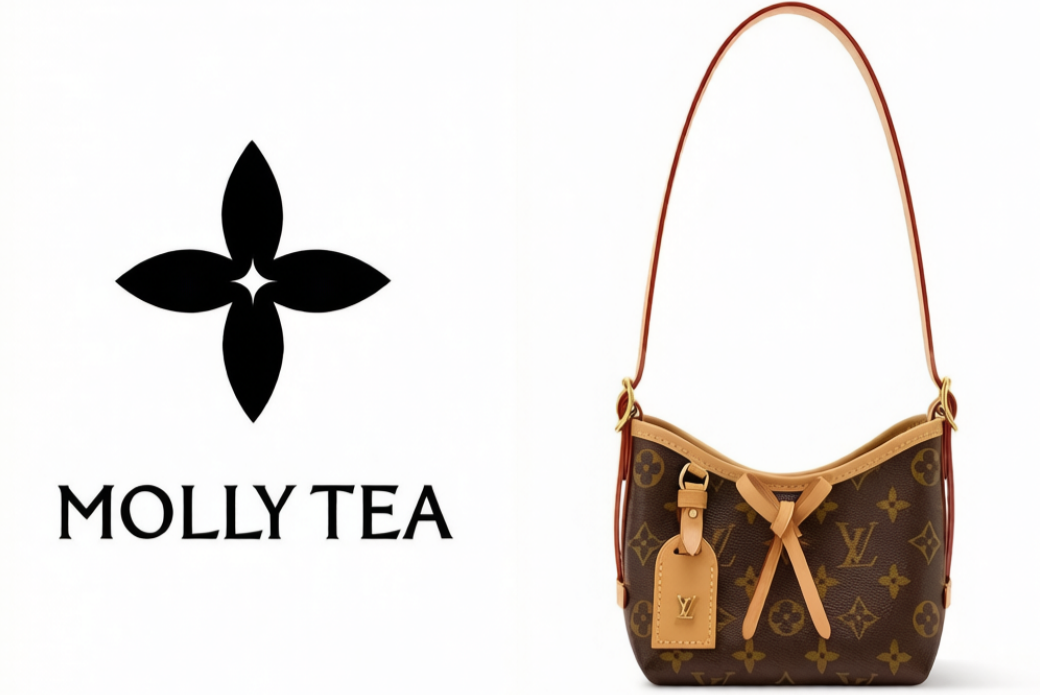
The plaintiff is the well-known brand Louis Vuitton Malletier, and the defendant is Shenzhen Bangmou Culture Media Co., Ltd. The defendant primarily engages in the business of luggage and leather goods. It dismantles recycled second-hand luxury bags, takes materials such as "monogrammed leather" and "classic checkered pattern," reassembles them into new "reconstructed bags," and sells them. These new products not only retain multiple registered trademarks of the plaintiff, such as the four-petal flower, four-pointed star, and LV monogram combination, but also have an exterior design highly similar to the plaintiff's classic models.
After trial, the court ruled that the defendant shall immediately cease the infringing acts, destroy the inventory, compensate the plaintiff for economic losses of RMB 1.05 million, and publish a statement in its stores for three consecutive days to eliminate the impact. The trial centered on three major legal issues of dispute, and the court provided clear views and findings regarding the defendant's defenses:
Whether trademark infringement is constituted. The defendant argued that the modification constitutes "old-item patchwork design" and an "eco-friendly concept," that the plaintiff's trademarks occupy only a small part of the bag and are used decoratively rather than as trademarks, and that it had marked its own trademark. The court held that the appearance of the plaintiff's registered trademark marks on the bag objectively serves to identify the source of the goods, constituting trademark use. Meanwhile, given the extremely high reputation of the plaintiff's trademarks, the allegedly infringing marks are located in prominent positions on the bag, severing the exclusive correspondence between the trademark and the right holder, and likely causing relevant public to be confused as to the source of the goods.
Whether the doctrine of exhaustion of trademark rights applies. The defendant claimed that the materials used for modification came from genuine second-hand bags, i.e., goods legally sold by the plaintiff. The court pointed out that the prerequisite for the exhaustion of trademark rights is that the resold goods themselves remain unchanged. In this case, the defendant dismantled and substantially modified the goods, altering their shape, color scheme, and overall appearance to form "new goods," which damaged the quality assurance function of the trademarks and undermined the inherent connection between the trademarks and the goods. Therefore, the doctrine of exhaustion does not apply.
Whether unfair competition is constituted. The court held that the defendant used "recycling and reconstruction of second-hand luxury goods" as a promotional selling point, which in substance exploited the commercial reputation of the plaintiff's trademarks to attract consumers. This act exceeded the reasonable boundary of using old materials and constituted unfair competition.
We believe that in this case, the defendant was not engaged in second-hand goods trading in the usual sense, but rather in refurbishing and modifying old goods. From a legal perspective, this constitutes processing or modification of goods to create new items, which are then formed into new goods for sale. As a result, the prerequisite for applying the doctrine of exhaustion is not met, because the exhaustion of intellectual property rights applies only to the market circulation of the same goods.

 CHINA intellectual PROPERTY LAWYERS NETWORK

 +86-13910160652
 ciplawyers@163.com


 Home
Home Previous




Comment