
Basic Information (Switzerland) Elecon Asia SA (hereinafter referred to as “Elecon”) is a powerful intelligent three-d...
Digital Copyright Ten Major Typical Cases 1.Short Video Copyright Case: Whether a Short Video is Original Has Nothing to...
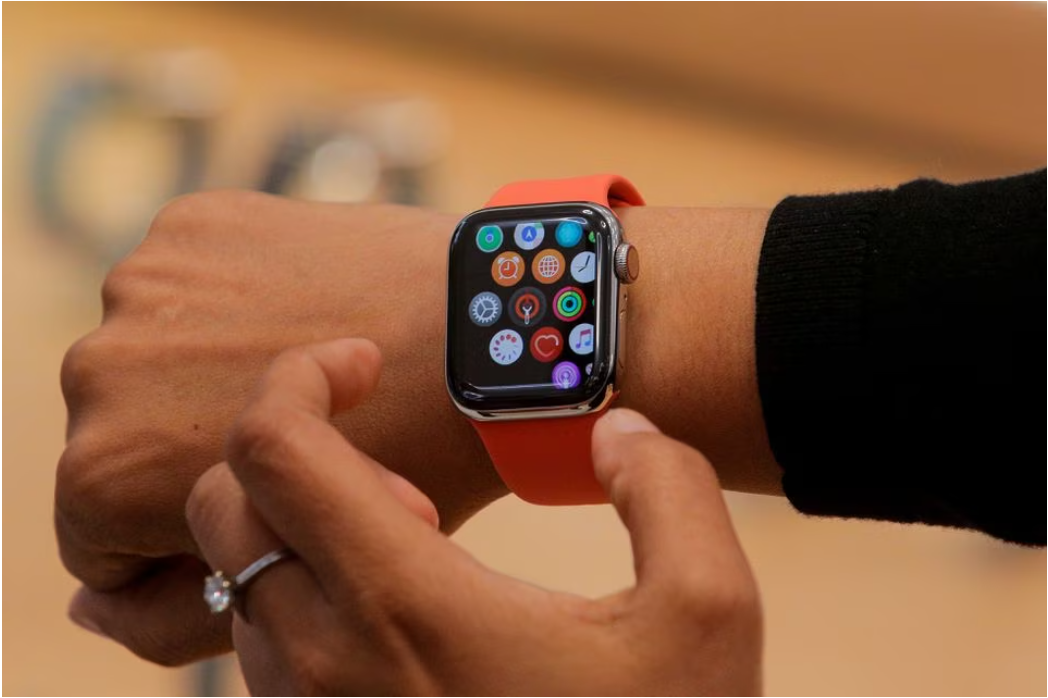
December 7, 2023 - News of a patent infringement ruling against Apple Watches a few weeks ago caused a flurry of investo...
Nokia has defended Qualcomm in its standard-essential patent (SEP) dispute with the US Federal Trade Commission (FTC), which has also responded to Nokia’s arguments. District Judge Lucy Koh allowed
non-merger litigation and provides an update on the Qualcomm antitrust case. Both antitrust agencies discourage SEP injunctions but issue no formal guidance Both the Department of Justice (DOJ) and the
on an "allocation of preamble sequences." For the avoidance of doubt, Nokia asserted both patents in both jurisdictions. Over those patents, Nokia won its first standard-essential patent (SEP
is also the most extensive series of SEP lawsuits at the Unified Patent Court to date. Panasonic filed a total of twelve lawsuits against both implementers at the UPC local divisions in Mannheim and
In a landmark decision, China's Supreme People's Court (SPC) recently ruled that Chinese courts have jurisdiction over global SEP rate disputes involving foreign patent pools. This marks a
Annex, including the Proposal for a Regulation on Standard Essential Patents (SEP), which was withdrawn due to no foreseeable agreement. This proposal sparked significant debate from the outset among
standard-essential patent (SEP) related to Wi-Fi 6 technology owned by Huawei. Priorly, many companies are already licensed to Huawei's Wi-Fi 6 standard-essential patents (SEPs), typically without prior
BEIJING, Nov. 8 (Xinhua) -- China's top market regulator on Friday issued guidelines to strengthen regulations on antitrust behaviors pertaining to standard essential patents (SEP). The guidelines
implications for standard-essential patent (SEP) enforcement in the digital communication sector. German Federal Court Invalidates Broadcom’s Core Patent EP 366 On December 17, 2025, the German Federal Court
, secured an injunction from the Munich court against multinational technology brand Asus based on infringement of a Wi-Fi 6 standard essential patent (SEP) in early January. Full text of the decision

 CHINA intellectual PROPERTY LAWYERS NETWORK

 +86-13910160652
 ciplawyers@163.com