Note: Page 65 is blank.

The Guangzhou Intellectual Property Court ruled seven defendants liable for "virtual digital human" trade secret infring...

The Supreme People's Court ruled that patentees with valid patents and positive evaluation reports fulfill duty of care,...
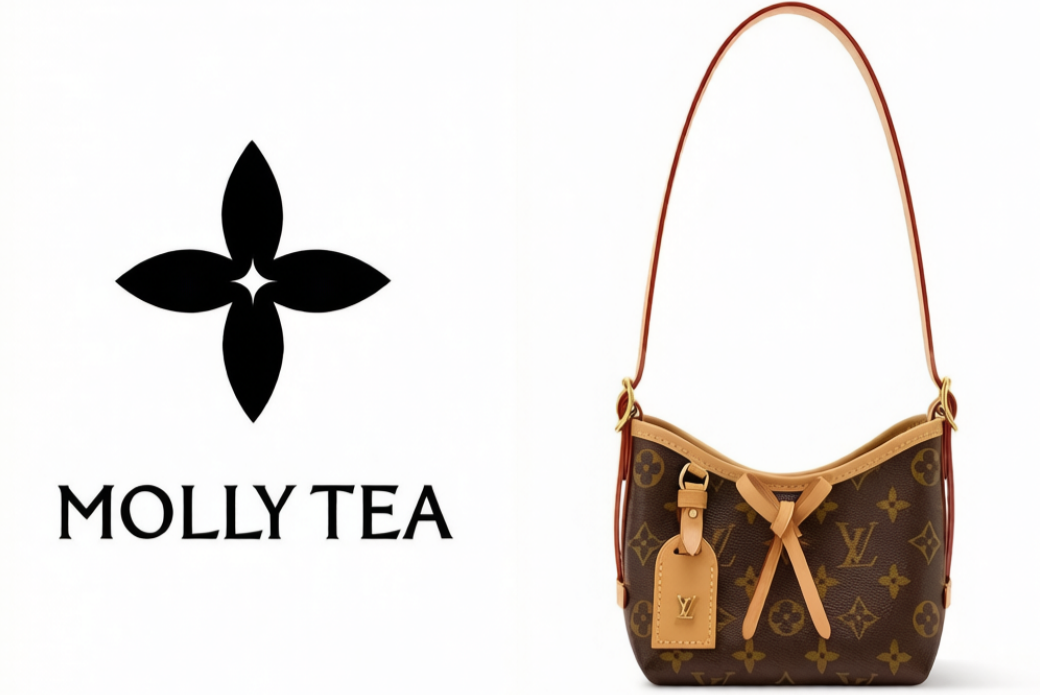
South Korea's Supreme Court ruled on February 26 that the actions of a local "bag alteration" business operator, who altered French luxury brand Louis Vuitton (LV) bags at the request of customers, do not constitute trademark infringement, thereby overturning a previous lower court ruling that had favored LV's complaint.
According to South Korean media, this marks the first ruling in the country's judicial system regarding trademark infringement in the alteration of luxury bags, establishing the initial legal standard for the personal alteration of luxury goods.
Reports indicate that between 2017 and 2021, the defendant used materials from old LV bags provided by customers to alter them into bags, wallets, and other items of different sizes, styles, and uses. The fees for each "alteration" service ranged from 100,000 won (approximately 479 yuan) to 700,000 won (approximately 3,353 yuan). In 2022, LV filed a lawsuit, alleging that the defendant weakened the brand's function of identifying its source and guaranteeing quality, thereby infringing on the brand's trademark rights.
Both the first and second trials in South Korea that heard this lawsuit ruled in favor of the brand, prohibiting the defendant from continuing to use LV bag materials for alteration services and ordering them to pay 15 million won (approximately 72,000 yuan) in compensation to LV. The defendant chose to appeal.
The Supreme Court ruled that when luxury goods owners request "alterations" from the defendant for private use, and the defendant returns the "altered" bags to the owners, even if the bags still bear the luxury brand's logo, this does not constitute "use of a trademark" and therefore does not amount to trademark infringement. However, the Supreme Court emphasized that if the operator plays a leading role in the "alteration" process and uses the "altered" luxury bags for market sales, it could be deemed trademark infringement.
The Supreme Court stated that this case has drawn significant attention from countries such as the United States, Europe, and Japan, and is expected to have "considerable" social impact. The Supreme Court has remanded the case to the Patent Court for retrial.

 CHINA intellectual PROPERTY LAWYERS NETWORK

 +86-13910160652
 ciplawyers@163.com


 Home
Home Previous




Comment